
How Old Are the Temples in Bali? A Timeline From Megalithic Shrines to Royal Water Temples

Updated: Sep 22
Bali's oldest sacred sites, such as Pura Besakih, rest on megalithic foundations about 2,000 years old. Its earliest firmly dated temples, like Tirta Empul (962 AD), are over 1,000 years old. Famous landmarks such as Tanah Lot, Ulun Danu Bratan and Taman Ayun date from the 16th and 17th centuries. Bali is called the Island of a Thousand Temples, and commonly cited counts run past 20,000 temples and shrines. Their ages span two millennia, and many "ancient" temples were rebuilt after wars, earthquakes and eruptions. This Dive Concepts guide separates documented history from legend, so you know how old each major temple really is.
How Old Are the Temples in Bali?
Bali's temples fall into three age tiers: prehistoric sacred sites (about 2,000 years), Warmadewa-era temples (9th–11th century AD) and Majapahit-to-Mengwi era temples (14th–17th century).
Age tier | Period | Examples | Main evidence |
Megalithic sacred sites | ~2,000 years ago | Besakih's stone terraces | Archaeology |
Warmadewa era | 9th–11th century | Tirta Empul, Gunung Kawi, Goa Gajah, Pura Kehen, Uluwatu | Inscriptions, rock carvings |
Majapahit and Mengwi era | 14th–17th century | Tanah Lot, Ulun Danu Bratan, Taman Ayun | Chronicles, royal records |
"Age" can mean the founding of a sacred site or the age of today's buildings. Always ask which one a date refers to.
What is a pura? A pura is a Balinese Hindu temple, from a Sanskrit word for a walled sacred space. Types include family shrines, village temples (Puseh, Desa and Dalem), rice-field temples for irrigation groups, and the nine directional temples that guard the island.
Bali Temples History: How Hinduism Shaped Temple Building
Bali's temple tradition grew from ancestor and mountain worship, then absorbed Hindu, Buddhist and Javanese influences over roughly 1,500 years. Early islanders revered mountains, springs and ancestors, which explains why so many temples sit on volcano slopes and lake shores. Indian influence arrived by the first centuries AD. The Warmadewa kings of the 10th and 11th centuries left inscriptions, rock-cut shrines and bathing places. After Majapahit expanded into Bali in the 14th century, Javanese priests and red-brick architecture arrived, and later royal courts at Gelgel and Mengwi built the grand temples visitors see today.
How Old Is Besakih Temple?
Besakih Temple is at least 2,000 years old as a sacred site, but its present form developed mostly between the 14th and 17th centuries. Pura Besakih, on the slopes of Mount Agung, is Bali's largest and holiest temple: 23 related temples on six terraced levels. The stone bases of its main sanctuaries resemble megalithic stepped pyramids, so worship here likely predates Hinduism's arrival. It was certainly a Hindu place of worship by 1284, and in the 15th century it became the state temple of the Gelgel dynasty. Balinese tradition credits the sage Rsi Markandeya with founding it, where he planted five sacred metals (Panca Datu) before clearing the forest. Sources place his arrival anywhere from the 8th to the 10th century AD, which is why you will see conflicting dates online. Real-world resilience: when Mount Agung erupted in 1963, lava stopped just short of the complex, which Balinese Hindus regard as a sign of divine protection.

What Is the Oldest Temple in Bali?
Pura Besakih is generally considered Bali's oldest sacred site, while Tirta Empul (962 AD) is among the oldest temples with a documented founding date. No single "oldest" exists, because it depends on your definition: oldest sacred ground, oldest inscription or oldest surviving structure.
Temple | Earliest evidence | Approximate age |
Pura Besakih | Megalithic terraces | 2,000+ years |
Pura Kehen, Bangli | Copper inscriptions, late 9th century | 1,100+ years |
Tirta Empul | Founded 962 AD | About 1,060 years |
Gunung Kawi | 11th century | About 1,000 years |
Goa Gajah | 10th–11th century | About 1,000 years |
Uluwatu | Expanded 11th century | About 1,000 years |
For context, the Belanjong pillar in Sanur (914 AD) is Bali's oldest inscription naming a ruler, King Sri Kesari Warmadewa. It is not a temple, but it confirms organized Hindu-Buddhist rule a century before most temples above.
Pura Tirta Empul History
Tirta Empul was founded in 962 AD, during the Warmadewa dynasty, around a sacred spring, making it over 1,000 years old. Dedicated to Vishnu, it sits in Manukaya village near Tampaksiring. Legend says the god Indra created the spring to counter the poisons of the demon king Mayadenawa. An old-Balinese inscription found in Manukaya supports the site's early history. Much of today's stonework is modern, since the complex was heavily restored in the 20th century, yet Balinese still bathe here in the melukat purification ritual.
Dive Concepts recommends wearing a sarong and sash and giving worshippers space at the pools.

Other Ancient Temples Worth Knowing
Beyond Besakih and Tirta Empul, four sites reveal Bali's early history best.
Gunung Kawi (11th century): ten shrines carved into a river-valley cliff, linked to King Anak Wungsu and his family. An inscription reads "Haji Lumahing Jalu," meaning "the king made a temple here."
Pura Kehen (Bangli): the "fire temple," where a drum tower is entwined with a giant banyan tree.
Goa Gajah: the Elephant Cave, blending Hindu and Buddhist imagery around a bathing place.
Pura Penataran Sasih (Pejeng): home of the ancient bronze drum known as the Moon of Pejeng.
When Were Bali Temples Built? A Timeline
Bali's temples were built in waves, tied to dynasties and disasters.
~2,000 years ago: megalithic terraces at Besakih.
914 AD: Belanjong pillar names King Sri Kesari Warmadewa.
962 AD: Tirta Empul founded.
11th century: Gunung Kawi rock-cut shrines carved; Goa Gajah active; sage Empu Kuturan expands Uluwatu and is credited with organizing Bali's village temple system.
Mid-14th century: Majapahit rule strengthens Javanese-Hindu influence.
16th century: priest Dang Hyang Nirartha adds shrines at Uluwatu and is credited with Tanah Lot.
1633–1634: Ulun Danu Bratan and Taman Ayun built under King I Gusti Agung Putu of Mengwi.
1926: Ulun Danu Batur relocated after volcanic destruction.
2012: UNESCO inscribes the Subak cultural landscape, including Taman Ayun and Ulun Danu Batur.
Why Do Sources Disagree About Temple Ages?
Dates mix legends, inscriptions and rebuilds. These are the most common mistakes:
Tanah Lot as 11th century. Tradition dates it to Nirartha's 16th-century visit.
Bratan versus Batur. Ulun Danu Bratan dates to 1633; Ulun Danu Batur is the temple moved in 1926.
Besakih as UNESCO-listed. It is not part of the 2012 Subak listing.
"2,000-year-old temple." The sacred site is that old; the buildings are not.
Three-question age check: Who founded it? What is the evidence (inscription, chronicle or legend)? Which structures are original?

Which Ancient Temple Should You Visit?
Oldest sacred ground: Besakih.
Documented 10th-century founding: Tirta Empul.
11th-century rock-cut art: Gunung Kawi and Goa Gajah, an easy same-day pairing in Gianyar.
17th-century royal architecture: Taman Ayun and Ulun Danu Bratan.
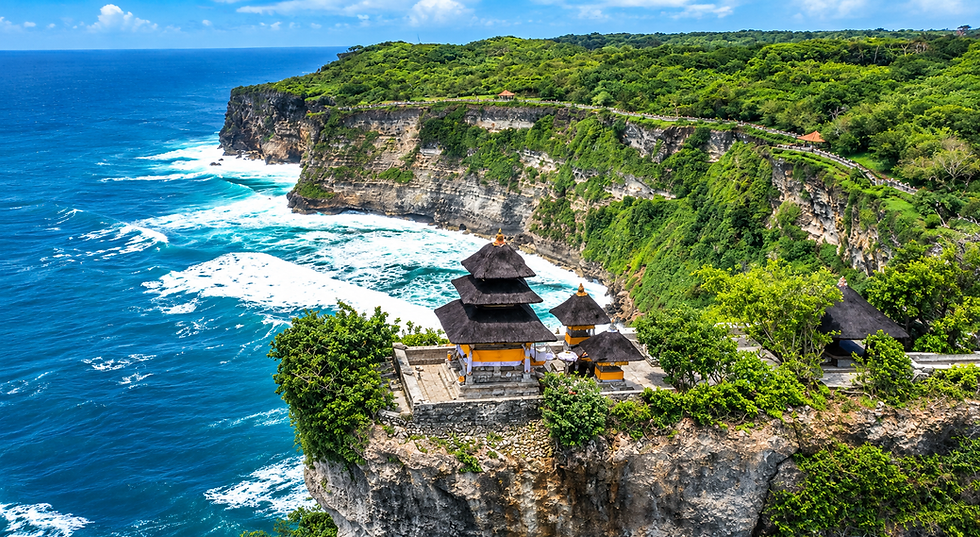
Clifftop sea temples: Uluwatu (11th-century roots) and Tanah Lot (16th-century tradition), best at sunset.
Etiquette: wear a sarong and sash, and expect inner sanctums to be reserved for worshippers.
Dive Concepts suggests grouping temples by region and era, for example Tirta Empul, Gunung Kawi and Goa Gajah in one day, so you can compare how Balinese temple design evolved.
Expert tip: visit during an odalan (temple anniversary) to see a temple as it has been used for centuries, but go early and stay respectful. Ask local guides which shrines are original and which were rebuilt.
Key Takeaways
Bali's sacred sites span about 2,000 years.
Besakih is the oldest sacred site; Tirta Empul (962 AD) is a firmly dated early temple.
Most famous tourist temples date from the 11th to 17th centuries.
Founding dates and current buildings often differ, so always check the evidence behind a date.
Eruptions, wars and earthquakes explain why many "ancient" structures are actually rebuilt.
FAQ
How old are the temples in Bali?
They range from about 2,000 years (Besakih's megalithic base) to the 17th century (Taman Ayun, 1634). Most major temples were founded between the 10th and 17th centuries.
Which is the oldest temple in Bali?
Pura Besakih is considered the oldest sacred site. Among temples with inscription-based dates, Tirta Empul (962 AD) and Pura Kehen (late 9th century mentions) are among the oldest.
How old is Tanah Lot?
Tanah Lot is traditionally dated to the 16th century and linked to the priest Dang Hyang Nirartha.
Is Besakih a UNESCO World Heritage Site?
No. Besakih is not part of the 2012 Subak listing, though Taman Ayun and Ulun Danu Batur are.
Why is Bali called the Island of a Thousand Temples?
Every village, household and rice-field irrigation group maintains its own temples, so the true number far exceeds a thousand.


Comments