
Batu Bolong Dive Site: Depth, Currents & Marine Life Guide

Updated: Sep 11
If you're planning a trip to Komodo National Park and keep seeing "Batu Bolong" on every dive shop's must-do list, you're not imagining the hype. This small rock pinnacle in the Lintah Strait is consistently ranked among the world's top dive sites but it's also one of the most misunderstood, mostly because of conflicting depth numbers and current warnings online. Batu Bolong is a rock pinnacle dive site in central Komodo National Park, Indonesia, between Komodo Island and Tatawa Kecil. The reef top sits at 5–8m, the main diveable wall runs to about 30m, and the pinnacle's base drops past 70m into the Lintah Strait channel. It's best suited to Advanced Open Water divers due to strong, tide-dependent currents, and it's famous for reef sharks, Napoleon wrasse, giant trevally, turtles, and occasional manta sightings.
Here's everything you need to know before you dive into it.
What Is Batu Bolong?
Batu Bolong translates to "hollow rock" in Indonesian, named for a small natural archway visible above the waterline. From the surface, it looks unremarkable, a jagged outcrop barely breaking the water in the middle of the Lintah Strait, the channel between Komodo Island and Tatawa Kecil. Underwater, it's a different story. The rock is a single, isolated pinnacle that rises steeply from deep water, wrapped in dense hard coral. Because it sits directly in a current-swept channel, nutrient flow is constant which is exactly why the reef supports such a high density of fish life. It's this combination of compact size and biomass concentration that's earned Batu Bolong recognition as one of the top dive sites in the world, including a top-30 global ranking from CNN Travel in past years.
How Deep Is Batu Bolong?
You'll see different depth figures across dive sites 30m, 70m, even 85m and they're all technically correct, just describing different parts of the pinnacle.
Zone | Depth |
Reef top / entry zone | 5–8 m |
Main diveable wall and slope | 15–30 m |
Pinnacle base (not dived) | 70 m+ |
Recreational dives are planned within the 5–30m range. The deeper sections beyond recreational limits are part of what makes the pinnacle geologically dramatic, but they're not part of a standard dive plan.
Is Batu Bolong Good for Beginners?
Batu Bolong is generally not recommended for first-time or newly certified divers. PADI Advanced Open Water certification (or 30+ logged dives with drift-diving experience) is the practical minimum most operators require, because of the site's current strength and variability.
Use this quick framework to check your fit:
Open Water Diver, fewer than 20 dives → Build experience at gentler Komodo sites first (Siaba Besar, Tatawa Kecil, Manta Point) before attempting Batu Bolong.
Advanced Open Water, comfortable with drift diving → Suitable, with a qualified guide and a tide-timed dive plan.
30+ logged dives, strong buoyancy control → Well-suited; you'll get the most out of the site's current-driven marine life activity.
Buoyancy matters as much as certification level here. The reef is protected, and poor buoyancy near the coral walls causes real damage most reputable operators, including , brief divers specifically on this before entering the water.
Marine Life You Can Expect
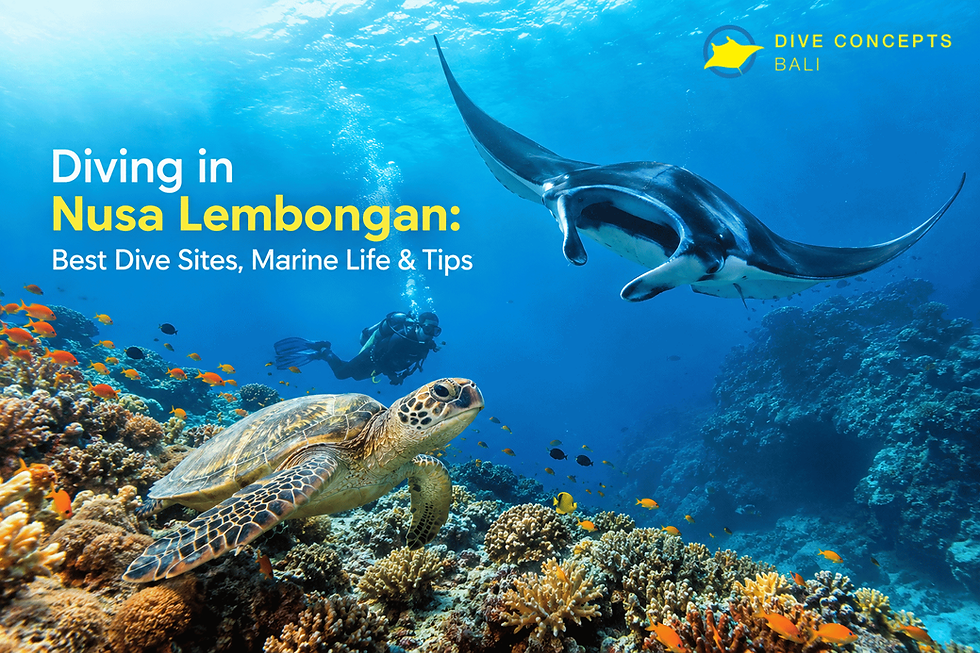
Batu Bolong isn't a single "target species" dive; it's a dense, constantly active reef ecosystem. Expect large numbers of reef fish alongside repeat sightings of bigger pelagics.
Species | Likelihood | Where to Look |
Whitetip & grey reef sharks | Common | Resting in crevices, patrolling walls |
Napoleon (humphead) wrasse | Frequent | Deeper sections of the wall |
Giant trevally | Frequent | Blue water, hunting schools |
Hawksbill & green turtles | Common | Feeding on sponges, cruising the reef |
Barracuda | Common | Schooling in open water |
Manta rays | Occasional | Passing through on the periphery |
Dogtooth tuna | Occasional | Blue water edges during strong current |
Schools of fusiliers and anthias fill the water column almost constantly; divers often describe the visual effect as an "underwater aquarium," with fish density high enough to obscure the reef itself at times.
Understanding the Currents
This is the part every diver needs to take seriously. Batu Bolong's currents are strong, tide-dependent, and can shift direction as they hit different faces of the pinnacle which is also exactly why marine life is so concentrated here.Dives are always planned on the lee side (the side sheltered from the current at that specific tide stage), entered in the "safe zone" between current edges, then followed in a zigzag pattern up the reef face. Down-currents can occur on the exposed side, which is why staying close to your guide isn't optional here; it's the core safety protocol.
Standard safety practice includes:
Descending directly to the 15–20m safe zone rather than lingering near the surface in current.
Carrying a surface marker buoy (SMB) for every dive.
Using a reef hook only as briefed by your guide, and only on bare rock never on coral.
Staying within sight of your buddy and guide at all times; the pinnacle is small enough that drifting off it is a real risk in strong current.
Best Time to Dive Batu Bolong
Batu Bolong is diveable year-round, but conditions and marine life activity shift with Komodo's two seasons.
Season | Months | Visibility | What to Expect |
Dry season | April–November | 20–30 m | Clearer water, stronger shark and pelagic activity, especially July–September |
Wet season | December–March | 10–15 m | Lower visibility from plankton blooms, but increased manta activity nearby |
Water temperature stays fairly stable at 25–29°C year-round, with the warmest water typically in April and the coolest in July–September. A 3mm wetsuit is usually sufficient; some divers prefer 5mm for repetitive dives or if they run cold in thermoclines.
What to Bring: Gear Checklist
Dive computer (essential for tracking depth/time in changing current)
Surface marker buoy (SMB)
3mm or 5mm wetsuit depending on season and personal cold tolerance
Reef hook (provided by most operators, used only when briefed)
Wide-angle camera setup if you're shooting photo/video the site rewards reef-scape and schooling-fish shots
Getting There: Day Trip vs Liveaboard
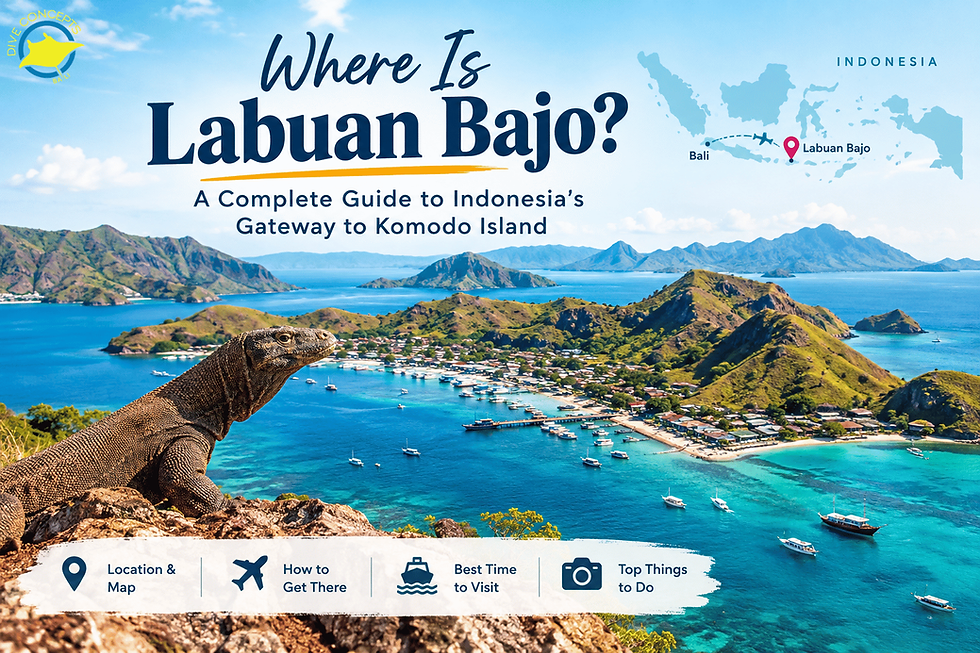
Batu Bolong sits in central Komodo National Park, making it accessible both as a day trip from Labuan Bajo and as a standard stop on most Komodo liveaboard itineraries. Day trips typically pair it with one or two nearby sites (Tatawa Kecil, Crystal Rock), while liveaboards often dive it twice in a day to catch two different tidal windows.
Because the dive depends entirely on tide timing, the exact departure time from Labuan Bajo changes daily; a reliable operator will plan your schedule around the tide table, not a fixed departure slot.
Permits, Fees & Park Rules
Komodo National Park currently caps visitor numbers and requires a pre-booked entry permit (passport copy required) for all divers, arranged by your operator in advance. Popular sites like Batu Bolong also have boat-spacing rules to reduce overcrowding at any given time. Because of these caps, booking a few weeks ahead during peak season (July–September) is a practical necessity, not just a suggestion.
Batu Bolong vs Other Komodo Dive Sites
Site | Difficulty | Known For |
Batu Bolong | Advanced | Sharks, wrasse, dense reef fish |
Manta Point | Beginner–Intermediate | Manta ray cleaning stations |
Advanced | Strong current, big pelagics | |
Siaba Besar | Beginner | Turtles, gentle drift |
Tatawa Kecil | Intermediate–Advanced | Swim-throughs, current-driven schooling fish |
If you're building a multi-day itinerary, pairing Batu Bolong with a gentler site like Siaba Besar or Manta Point balances an intense current dive with a more relaxed one.
Common Mistakes to Avoid
Diving it on the wrong tide window. This is the single biggest safety issue: always confirm your operator plans around slack or gentle tide, not a fixed clock time.
Touching coral for stability in the current. Buoyancy control is non-negotiable here; the reef is fragile despite looking robust.
Chasing fish into open current. Getting pulled off the pinnacle in strong current is a real risk if you drift too far from the reef structure.
Skipping the SMB. Even short separations from your group are safer with a visible surface marker.
Diving Batu Bolong with
Because Batu Bolong's safety margin depends almost entirely on correct tide timing, the quality of your dive comes down to your operator's local knowledge more than your own experience level alone. plans Batu Bolong dives specifically around Komodo's tide tables, briefs divers on lee-side entry and reef-hook use, and adjusts depth and route based on same-day current conditions rather than a fixed dive plan. If you're building a Komodo itinerary and want Batu Bolong included safely alongside sites suited to your certification level, that local tide-planning is the detail worth checking before you book.
Key Takeaways
Batu Bolong is a rock pinnacle in Komodo's Lintah Strait, diveable from 5–30m, with the base dropping past 70m.
Advanced Open Water certification or 30+ logged dives with drift experience is the practical minimum.
Expect reef sharks, Napoleon wrasse, giant trevally, turtles, and occasional mantas.
Currents are strong and tide-dependent dives are always planned on the lee side at slack or gentle tide.
Dry season (April–November) offers the clearest visibility; wet season (December–March) has lower visibility but more manta activity nearby.
Park permits and daily visitor caps apply book ahead, especially July–September.
FAQs
Is Batu Bolong good for beginner divers?
Not typically. Most operators recommend PADI Advanced Open Water certification or at least 30 logged dives with drift-diving experience, due to the site's strong, changeable currents.
How deep is Batu Bolong dive site?
The diveable reef runs from about 5m at the surface down to 30m along the main wall, while the pinnacle's base continues past 70m though dives stay within recreational depth limits.
What marine life will I see at Batu Bolong?
Expect whitetip and grey reef sharks, Napoleon wrasse, giant trevally, hawksbill and green turtles, barracuda, and occasional manta rays and dogtooth tuna.
When is the best time to dive Batu Bolong?
Dry season (April–November) gives the clearest visibility, up to 30m, with peak shark and pelagic activity around July–September. Wet season (December–March) has lower visibility but more manta activity in the wider Komodo area.
Are the currents at Batu Bolong dangerous?
They can be strong and unpredictable if you dive at the wrong tide stage, which is why timing and a qualified local guide matter more here than at most Komodo sites. Dived correctly on the lee side at slack tide, it's manageable for prepared advanced divers.
Do I need a permit to dive Batu Bolong?
Yes. Komodo National Park requires a pre-booked entry permit with a passport copy, arranged by your dive operator, and enforces a daily visitor cap across the park.
Can I dive Batu Bolong on a day trip from Labuan Bajo?
Yes, it's a standard stop on Komodo day trips and liveaboard itineraries from Labuan Bajo, though exact timing shifts daily to match the tide.
Comments