
Diving in Nusa Lembongan: Best Dive Sites, Marine Life & Tips

Updated: 23 hours ago
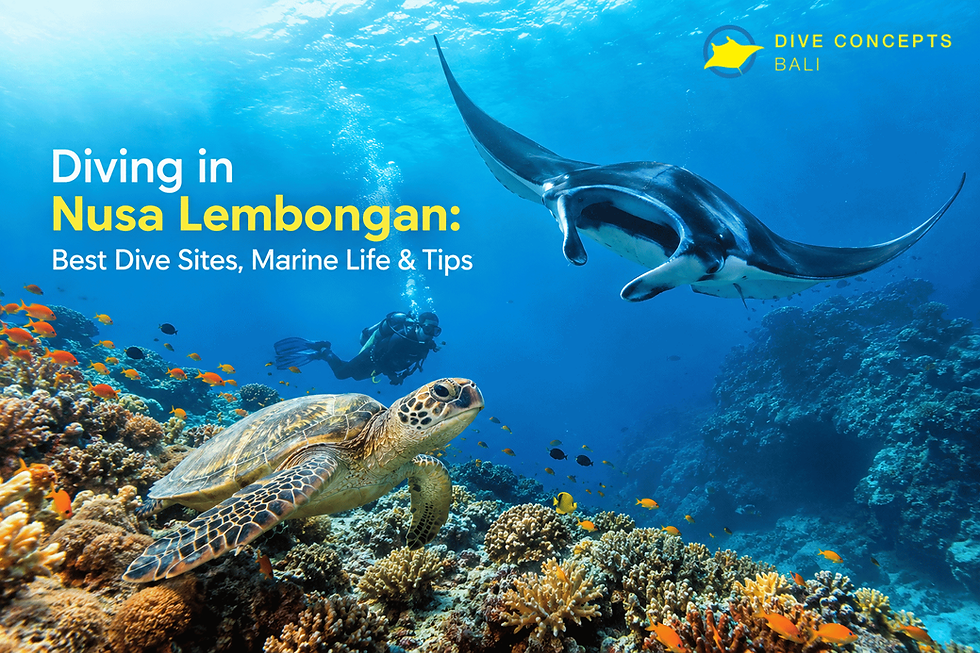
If you are dreaming of warm tropical water, colorful coral gardens, drifting alongside turtles, and the chance to meet giant manta rays, diving Nusa Lembongan deserves a place near the top of your Bali itinerary. This small island may look peaceful above the surface, but beneath the waves, the surrounding waters are full of movement, color, and surprises. Nusa Lembongan sits beside Nusa Ceningan and Nusa Penida, creating access to a remarkable network of reefs, walls, channels, and pelagic dive sites. The area is particularly famous for manta rays, seasonal Mola, vibrant coral, and exhilarating drift dives. However, currents can be strong and change quickly, so choosing an experienced Lembongan dive center is just as important as choosing the right dive site. Whether you are a beginner planning your first Bali dive or an experienced diver searching for exciting Nusa Penida diving, this guide will help you understand where to go, what you might see, and how to make your underwater adventure safer and more enjoyable.
Why Is Diving Nusa Lembongan So Special?
The biggest attraction of Lembongan diving is the variety. In one trip, you can experience relaxed coral gardens, thrilling drift dives, dramatic walls, and encounters with some of the ocean's most impressive animals. The waters around Lembongan connect directly with the Nusa Penida area, meaning many dive trips can combine Lembongan sites with famous locations around Penida. Nutrient-rich water supports abundant marine life, while seasonal currents bring larger pelagic species closer to the reefs. NusaLembongan.org Think of the region as an underwater crossroads. Currents deliver food, marine animals follow that food, and divers get a front-row seat.
Best Dive Sites Around Nusa Lembongan
There is no single “best” dive site because every location offers something different. Your ideal site depends on your certification, current experience, the weather, and what you want to see.
Mangrove Point: A Colorful Drift Dive
Mangrove Point, located on the northern side of Nusa Lembongan, is one of the most accessible and enjoyable sites in the area. It is known for coral gardens, reef fish, turtles, rays, and a gentle-to-moderate drift on suitable days. Nusa Penida For newer certified divers, it can be a wonderful introduction to current diving. Experienced divers can also enjoy it because there is plenty to discover, from colorful reef fish to macro creatures hiding among the corals.
Blue Corner: For Experienced Divers
Blue Corner is a completely different experience. This exposed site is famous for stronger and more unpredictable currents, making it much better suited to experienced divers who are comfortable with drift diving. The reward can be spectacular. Depending on conditions and season, divers may encounter reef sharks, large schools of fish, bumphead parrotfish, and even Mola. Because conditions can change quickly, the final decision to dive should always come from a qualified local guide who understands the tides.
Why Local Knowledge Matters at Blue Corner
A dive site is not just a dot on a map. Tides, current direction, visibility, swell, and weather can completely change the experience. That is why a professional guide can make such a difference at challenging sites like Blue Corner.
Top Nusa Penida Dive Sites You Can Visit from Lembongan
One major advantage of staying on Lembongan is access to famous Nusa Penida diving sites. Depending on sea conditions and the day's dive plan, operators can visit sites around Penida as part of a diving itinerary.
Manta Point: Meet the Gentle Giants
Manta Point is arguably the star attraction for many divers visiting the Nusa Islands. The site is located off the southern coast of Nusa Penida and is well known for manta rays visiting cleaning stations. Manta sightings can occur throughout the year, although wildlife is never guaranteed. Ocean conditions, swell, currents, and plankton availability all influence what you see on a particular day. NusaLembongan.org+1 Watching a manta glide silently above you feels almost unreal. They can appear enormous, yet their movements are graceful and surprisingly peaceful.
Crystal Bay: The Mola Mola Experience
If manta rays are the headline act, Mola is one of the region's most exciting seasonal appearances. Crystal Bay is particularly famous for encounters with the ocean sunfish, especially during the cooler months. The commonly cited peak period is roughly July through October, although sightings depend heavily on conditions and luck. Crystal Bay can also involve cold water, thermoclines, and changing currents, so it is not a site where divers should ignore experience requirements simply because the weather looks calm from shore.
Toyapakeh: Coral, Fish and Current
Toyapakeh is another standout location for scuba diving Nusa Penida. It combines beautiful coral formations with large schools of reef fish and the possibility of larger marine-life encounters. The site can experience strong currents, making good buoyancy, listening to your guide, and following the planned dive route especially important. For divers comfortable with drift diving, Toyapakeh can feel like flying over an underwater city.
Marine Life You Can See While Lembongan Diving
The marine biodiversity around Lembongan and Penida is one of the biggest reasons divers return.
Manta Rays and Mola
Manta rays are the area's most famous residents, particularly around Manta Point and nearby manta sites. Mola, meanwhile, are associated with deeper and colder-water locations such as Crystal Bay and Blue Corner, particularly during the seasonal period.
Turtles, Rays and Reef Fish
You can also encounter green and hawksbill turtles, eagle rays, reef sharks, trevallies, fusiliers, surgeonfish, butterflyfish, parrotfish, and many smaller reef species. For macro photographers, the area offers plenty of smaller discoveries too, including nudibranchs, shrimp, crabs, octopus, and other fascinating reef creatures.
Coral Reefs and Macro Life
Do not spend the entire dive looking into the blue for a giant animal. Some of the most memorable encounters happen when you slow down. Look carefully around coral bommies, sandy patches, and reef crevices. A tiny nudibranch can be just as rewarding as a turtle if you enjoy underwater photography or marine-life identification.
When Is the Best Time for Nusa Lembongan Diving?
There is no single perfect month for every diver. If your priority is manta rays, they can be encountered throughout the year. If your dream is to see Mola, the cooler season, particularly around July to October, is commonly considered the better window. Nusa Lembongan However, season is only one piece of the puzzle. Water temperature, visibility, swell, currents, tide, and marine conditions can change from day to day. The smartest approach is to remain flexible. A good Lembongan dive center will select sites according to actual conditions rather than promising a particular animal or forcing a predetermined itinerary.
Essential Tips for Diving in Nusa Lembongan
Before you jump in, there are a few things worth remembering.
Choose Experience Over the Cheapest Price
The Nusa Islands are not the place to choose an operator based solely on the lowest price. Strong currents are part of the area's character, particularly around exposed Penida and Lembongan sites. Choose a professional operator with local knowledge, qualified guides, appropriate safety procedures, and equipment that is properly maintained.
Be Honest About Your Experience
If you have limited current-diving experience, tell your dive center. There is no prize for pretending you are more experienced than you are. A responsible operator can match you with appropriate sites and help you build confidence before attempting more demanding dives.
Follow Your Guide's Briefing
Listen carefully to the entry plan, descent procedure, current direction, maximum depth, communication signals, ascent plan, and what to do if you become separated from your group. These instructions are not formalities. They are your underwater roadmap.
Why Choose Dive Concepts for Diving in Bali?
If you are searching for a reliable Lembongan dive center, Dive Concepts is worth considering. The company has been operating in Bali since 2009 and has dive centers across several popular destinations, including Nusa Lembongan. Its Lembongan center focuses on diving around Nusa Lembongan, Nusa Ceningan, and Nusa Penida. Dive Concepts Dive Concepts highlights small groups, experienced multilingual staff, competitive pricing, and free Nitrox for certified Nitrox divers. SSI and PADI courses are also available, making the center suitable for both recreational divers and people looking to develop their qualifications.
Dive Responsibly and Protect the Nusa Islands
Great diving comes with responsibility. Never touch manta rays, turtles, coral, or other marine animals. Maintain good buoyancy and avoid kicking or standing on coral. Remember, you are visiting a living ecosystem rather than an underwater theme park. Every careless fin kick can damage coral that took years to grow. Respecting marine life also makes your dive better. When animals are not stressed by divers chasing or touching them, natural behavior becomes easier to observe.
Final Thoughts on Diving Nusa Lembongan
Diving Nusa Lembongan offers an impressive mixture of colorful reefs, exhilarating drift dives, tropical fish, turtles, manta rays, and seasonal Mola encounters. Its connection to Nusa Penida makes the region even more appealing, giving divers access to some of Indonesia's most recognizable underwater experiences. From the accessible beauty of Mangrove Point to the challenging currents of Blue Corner, every dive has its own personality. The key is choosing sites that match your experience and working with a reputable local operator that understands the water. If you want to dive Nusa Penida, explore Lembongan's reefs, or experience the famous manta and Mola encounters, Dive Concepts can be a strong option for planning your Bali diving adventure. With the right preparation, a flexible itinerary, and respect for the ocean, your time beneath the waves can become one of the highlights of your Indonesia trip.
FAQs About Diving Nusa Lembongan
1. Is Nusa Lembongan good for beginner divers?
Yes. Some sites, including Mangrove Point under suitable conditions, can be appropriate for newer divers. However, not every site is beginner-friendly because currents around the Nusa Islands can become strong and unpredictable.
2. Can I see manta rays while diving from Nusa Lembongan?
Yes. Dive operators based in Lembongan commonly visit manta sites around Nusa Penida. Manta rays can be encountered year-round, but sightings are never guaranteed because marine conditions and animal behavior are naturally unpredictable.
3. What is the best season to see Mola Mola?
The cooler period, particularly around July to October, is generally considered one of the better times to look for Mola around sites such as Crystal Bay and Blue Corner. Even during the peak period, sightings are not guaranteed. Diving in Bali+1
4. Is Nusa Penida diving suitable for beginners?
Some Nusa Penida sites can work for less experienced divers when conditions are appropriate, but several famous sites involve currents and changing conditions. Your certification, logged experience, and the dive center's assessment should determine which sites you visit.
5. Why should I choose a Lembongan dive center instead of arranging everything independently?
A local dive center can provide equipment, guides, boats, site selection, current knowledge, and safety planning. This is particularly valuable around Lembongan and Penida, where tides and currents can significantly affect the dive experience.


Comments