
Who Should Avoid Scuba Diving? A Complete Guide to Safe Scuba Diving in Bali

Imagine exploring crystal-clear waters, swimming alongside colorful tropical fish, and discovering beautiful coral reefs beneath the ocean's surface. This is what makes explore scuba diving Bali such an exciting experience for Indonesian travelers and international visitors. From vibrant marine ecosystems to spectacular underwater landscapes, Bali offers unforgettable adventures for ocean lovers. However, scuba diving is not suitable for everyone at every moment. Underwater pressure, breathing compressed air, and physical exertion place unique demands on your body. Certain medical conditions, medications, and temporary illnesses can increase the risks associated with diving. So, who should avoid scuba diving? Can people with asthma participate safely? What about pregnant women, people with heart conditions, or travelers who feel unwell before their dive?
People With Serious Heart Conditions
Scuba diving places additional demands on your cardiovascular system. Water pressure shifts blood toward your chest, while swimming, cold temperatures, and underwater stress can make your heart work harder. People with serious or uncontrolled heart conditions should avoid diving until a qualified physician has assessed their fitness. Conditions such as unstable angina, uncontrolled heart failure, certain significant heart rhythm disorders, and recent heart attacks may make diving unsafe.
Why Does Heart Health Matter Underwater?
Your heart must deliver oxygen throughout your body while you swim and respond to changing conditions. If your cardiovascular system cannot manage these demands, you may experience dizziness, fainting, or a potentially life-threatening emergency. Before booking scuba diving Bali packages, consult a doctor experienced in diving medicine if you have a heart condition. Feeling healthy during everyday activities does not automatically mean you are medically fit to dive.
People With Asthma or Other Lung Conditions
Your lungs play a crucial role in scuba diving because you breathe compressed gas through a regulator. Conditions that restrict airflow can increase the risk of serious pressure-related injuries during ascent. People with uncontrolled asthma, significant chronic obstructive pulmonary disease (COPD), or certain other respiratory disorders may need to avoid diving or undergo specialist assessment before considering it.
How Can Lung Problems Become Dangerous?
As you ascend, the surrounding water pressure decreases, allowing air in your lungs to expand. If expanding air becomes trapped because your airways cannot release it normally, lung overexpansion injuries may occur. These injuries can sometimes cause a collapsed lung or an arterial gas embolism, a serious condition requiring emergency medical care.
When Should You Postpone Your Dive?
Avoid diving when you have wheezing, shortness of breath, an active respiratory infection, or a recent asthma flare-up. Seek medical advice before returning to the water. Asthma does not automatically disqualify every person from diving. However, its severity, triggers, and level of control must be considered by an appropriate medical professional.
Pregnant Women Should Avoid Scuba Diving
Pregnancy is one of the clearest reasons to avoid recreational scuba diving. Medical organizations generally advise against diving during pregnancy because the potential effects of decompression-related problems on the developing fetus are not sufficiently understood. Even experienced divers should follow this precaution. Being comfortable underwater does not eliminate the potential risks associated with pressure exposure.
What Are the Alternatives for Pregnant Travelers?
Avoiding scuba diving does not mean missing out on Bali's beautiful coastline. Depending on your pregnancy and your healthcare provider's advice, you may enjoy relaxing at the beach or taking a suitable surface-level boat excursion. Snorkeling should also be discussed with your healthcare provider, particularly if you have pregnancy complications or feel uncomfortable in the water. The priority is to choose activities that protect your health rather than feeling pressured to participate in an underwater adventure.
People With Ear, Nose, or Sinus Problems
Your ears and sinuses must adjust to pressure changes as you descend and ascend. When these passages are blocked, pressure can cause pain, dizziness, tissue damage, or a ruptured eardrum. People with an ear infection, severe sinus congestion, blocked Eustachian tubes, or recent ear surgery should postpone diving until their condition has been appropriately assessed.
Why Is Equalization Important?
As you descend, water pressure increases. Your middle ears and sinuses must equalize with the surrounding pressure to prevent discomfort and injury. If you cannot equalize comfortably, do not force it or continue descending through pain. If you develop a cold shortly before your planned Lembongan diving trip, rescheduling is generally safer than risking barotrauma. Persistent ear pain, hearing changes, or dizziness should be assessed by a healthcare professional before you return underwater.
People With Seizure Disorders or Neurological Conditions
A seizure underwater can quickly become life-threatening. Someone experiencing a seizure may lose consciousness, lose control of their breathing equipment, or inhale water. People with epilepsy or a history of seizures need an individualized medical assessment before considering scuba diving. Suitability depends on factors such as seizure history, control, underlying causes, and medication. Other neurological conditions can also affect balance, coordination, awareness, or the ability to respond to emergencies.
Why Is Underwater Safety Different?
On land, another person may be able to protect someone during a seizure. Underwater, even a brief loss of awareness can create an immediate emergency. If you have a neurological condition, consult a physician familiar with diving medicine. Never rely solely on your general fitness or previous diving experience when deciding whether to dive.
People With Uncontrolled High Blood Pressure or Diabetes Complications
Having high blood pressure or diabetes does not automatically mean you can never scuba dive. However, uncontrolled disease and associated complications may increase the risks. People with uncontrolled hypertension, cardiovascular complications, diabetic nerve damage, or other conditions affecting circulation and awareness should seek medical advice before entering the water.
How Can These Conditions Affect Diving?
High blood pressure may be associated with cardiovascular risks, while diabetes can sometimes cause low blood glucose, reduced sensation, or other complications that interfere with safe diving. Some people with diabetes may be able to dive after an individualized assessment and with a carefully planned glucose-management strategy. If you take regular medication or manage a chronic illness, discuss your condition with a qualified healthcare professional and disclose relevant information to your dive operator.
People Who Have Consumed Alcohol or Recreational Drugs
Alcohol and recreational drugs have no place in a safe diving plan. They can impair judgment, coordination, reaction time, and decision-making, making it harder to recognize danger and respond appropriately. Even if you feel normal, your performance may be affected. Certain substances can also influence consciousness, breathing, and cardiovascular function.
When Is It Safe to Dive After Drinking?
There is no universal waiting period that makes every substance safe for diving. The appropriate interval depends on the substance, amount consumed, its effects, and medical guidance. Never dive while intoxicated, impaired, hungover, or affected by recreational drugs. Some prescription and over-the-counter medications can also cause dizziness or drowsiness, so check their suitability with a healthcare professional. A responsible diving centre should never encourage you to dive when your judgment or physical ability may be impaired.
People Who Are Sick, Exhausted, or Dehydrated
Sometimes, the reason to avoid scuba diving is temporary rather than long-term. Fever, vomiting, diarrhea, severe fatigue, dehydration, respiratory symptoms, and injuries can make diving more difficult and less predictable. These problems may affect concentration, stamina, your ability to equalize pressure, or your capacity to respond to an emergency.
Should You Dive When You Feel Unwell?
It is better to postpone your dive than to push through discomfort. Dehydration and fatigue can make physical activity harder, while congestion can prevent proper pressure equalization. Before booking scuba diving Bali packages, consider how you feel and be honest about your fitness and experience. If you develop symptoms before your scheduled dive, inform your instructor and ask about rescheduling.
Missing one dive is far better than risking an underwater emergency.
People With Severe Anxiety or Uncontrolled Panic
Scuba diving can feel unfamiliar, particularly during your first experience. Wearing a mask, breathing through a regulator, and descending beneath the surface may trigger anxiety in some people. A fear of water or confined spaces does not automatically prevent someone from learning to dive. However, severe anxiety or uncontrolled panic can become dangerous underwater.
How Can Beginners Build Confidence?
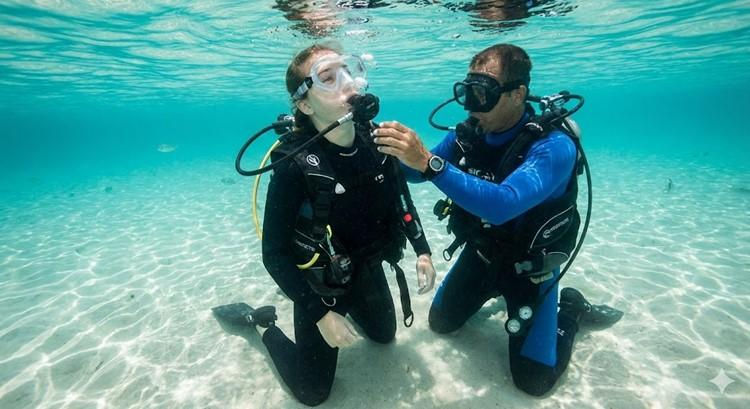
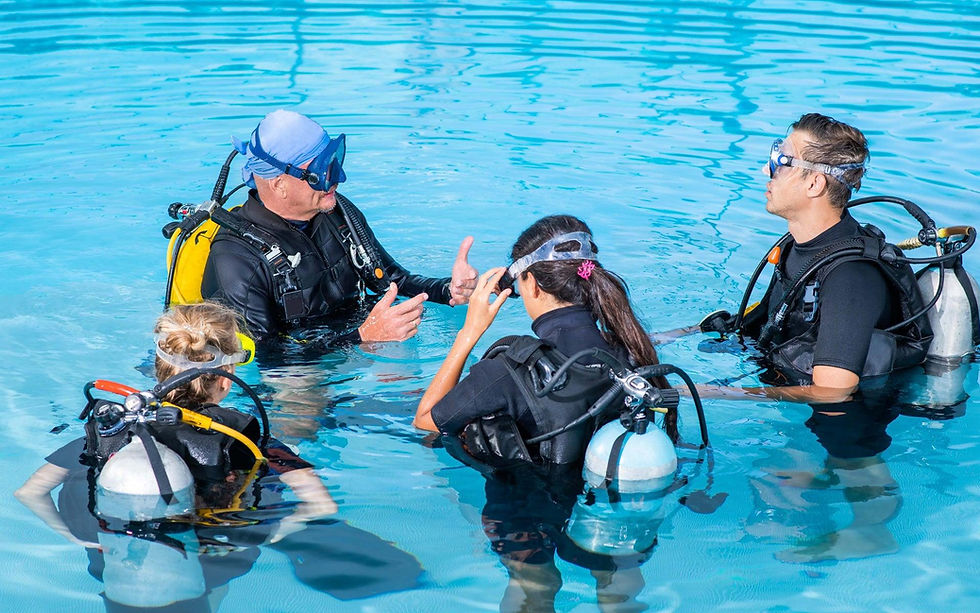
Choose a qualified instructor who explains the equipment, breathing techniques, hand signals, and safety procedures before entering the water. Start slowly in a controlled environment, practice essential skills, and communicate your concerns openly. You should feel comfortable using your regulator and understand how to signal your instructor if something feels wrong. Never allow friends or instructors to pressure you into descending when you are uncomfortable. Confidence develops through preparation, patience, and appropriate supervision.
People Who Have Recently Undergone Surgery
Recent surgery can temporarily make scuba diving unsafe, even when recovery appears to be progressing well. The appropriate recovery period depends on the procedure, healing progress, mobility, medication, and whether trapped gas or pressure-related complications could pose a problem. Chest, abdominal, ear, sinus, and eye procedures may require particular consideration.
When Can You Return to Diving?
Do not rely on a general recovery period found online. Your surgeon and, where appropriate, a diving-medicine physician should determine when it is safe to return underwater. You may need to demonstrate adequate healing, normal function, and the ability to manage the physical demands of diving.
If you are planning Menjangan diving or another Bali adventure, arrange medical clearance well before your trip instead of making a last-minute decision.
Is Scuba Diving in Bali Safe for Beginners?
Bali is an excellent destination for discovering underwater landscapes, but safety depends on choosing a suitable site, receiving qualified instruction, and following a dive plan that matches your abilities. Currents, visibility, water temperature, entry conditions, and depth can vary between locations and from day to day. Not every dive site is appropriate for a first-time diver.
Explore Lembongan Diving and Menjangan Diving
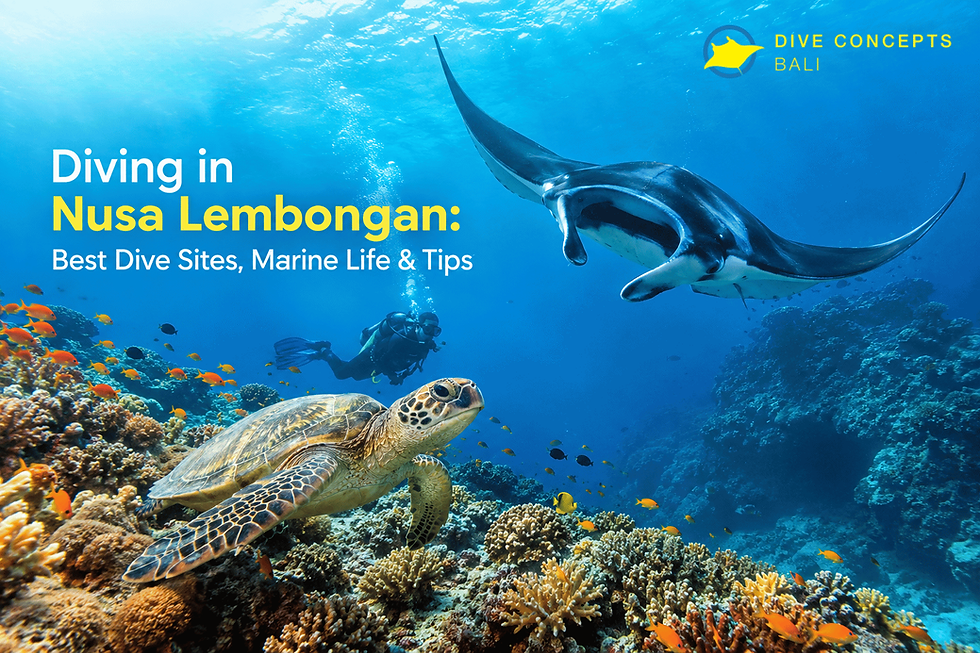
Lembongan diving offers opportunities to explore coral reefs and encounter larger marine life around Nusa Lembongan. However, some sites experience strong currents and changing conditions, so beginners need appropriate site selection and supervision. Menjangan diving, in the West Bali National Park area, is known for coral reefs, clear water, and dramatic underwater walls. Conditions vary, and beginners should choose locations suitable for their training and experience.
Before booking, ask about instructor qualifications, equipment condition, group sizes, emergency procedures, and the planned dive site.
Why Consider Dive Concepts for Scuba Diving in Bali?
Choosing the right diving centre is an important part of planning a memorable underwater adventure. Dive Concepts is worth considering when comparing diving providers in Bali, Indonesia, whether you are interested in a beginner experience, guided diving, or exploring nearby destinations. For Indonesian travelers and international visitors, a responsible dive centre should prioritize safety, clear communication, suitable equipment, and environmentally responsible diving practices.
What Should You Look for in a Diving Centre?
Before booking with Dive Concepts, confirm the services available for your travel dates and check for these important features:
Qualified instructors and dive guides with appropriate credentials.
Medical screening and a willingness to postpone unsafe dives.
Properly maintained equipment in suitable sizes.
Clear briefings about currents, depth, marine life, and emergency procedures.
Dive plans that match your certification, experience, and comfort level.
Making Your Bali Diving Experience Enjoyable
Whether you are considering scuba diving Bali, Lembongan diving, or Menjangan diving, communicate your experience level and relevant medical concerns before arriving. Dive Concepts can be included in your shortlist of diving centres to investigate. Verify its current qualifications, services, customer reviews, and safety procedures before booking. No responsible operator should guarantee that every person is medically fit to dive or that every location is suitable in all conditions.
The best diving experience is not necessarily the deepest or most adventurous. It is the one that matches your abilities while respecting the ocean.
Essential Safety Checks Before Scuba Diving
A few simple precautions can help you make an informed decision before entering the water. Preparation is especially important if you are new to diving or visiting an unfamiliar destination.
Before your dive, make sure you:
Complete the required medical questionnaire honestly.
Obtain medical clearance when your medical history or screening results require it.
Inform your instructor about relevant symptoms, medications, and previous diving problems.
Check the weather, currents, and planned dive profile.
Understand your equipment, hand signals, and emergency procedures.
Stay within your training and certification limits.
A medical questionnaire cannot guarantee safety. If you develop a new symptom after completing it, tell your dive professional before proceeding.
If you experience chest pain, severe breathlessness, confusion, weakness, or other concerning symptoms after diving, seek urgent medical assistance and tell the medical team about your dive.
Conclusion
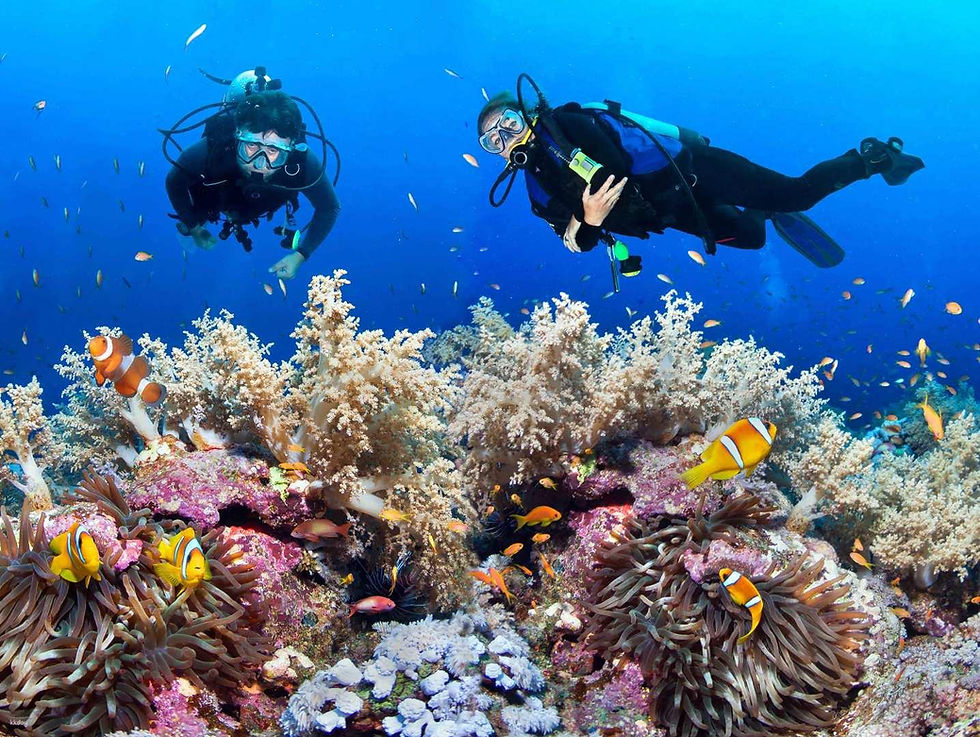
Scuba diving offers an incredible opportunity to discover coral reefs, tropical fish, and fascinating marine environments. However, people with certain heart or lung conditions, pregnancy, seizure disorders, ear or sinus problems, recent surgery, or temporary illnesses may need to avoid diving or obtain medical clearance first. Alcohol, recreational drugs, severe fatigue, and uncontrolled anxiety can also make diving unsafe. If you are planning scuba diving Bali, choose a suitable destination, understand your limitations, and work with a responsible diving centre. Whether you are exploring Lembongan diving, considering Menjangan diving, or comparing services from Dive Concepts, make your health and safety the top priorities. The ocean will still be there when the time is right. Listen to your body, consult qualified professionals, and enjoy underwater adventures responsibly.
Frequently Asked Questions (FAQs)
1. Who should not go scuba diving?
People who are pregnant, intoxicated, acutely unwell, or affected by certain serious or uncontrolled medical conditions should avoid scuba diving. Others may need medical clearance based on their individual circumstances.
2. Can people with asthma go scuba diving in Bali?
Some people with asthma may be eligible after an appropriate medical assessment, while others may face unacceptable risks. Uncontrolled asthma, recent attacks, and exercise-related symptoms require particular caution.
3. Is scuba diving safe for beginners in Bali?
It can be safe for suitable beginners when they receive qualified instruction, use properly maintained equipment, and dive at an appropriate site under suitable conditions. Always follow your instructor's guidance.
4. Can I go Lembongan diving if I have an ear infection?
You should postpone scuba diving if you have an ear infection or cannot equalize pressure comfortably. Descending with painful or blocked ears can cause barotrauma and potentially damage your hearing.
5. How do I choose a diving centre for Menjangan diving?
Look for qualified instructors, suitable equipment, clear safety procedures, appropriate medical screening, and dive plans suited to your experience. If considering Dive Concepts, verify its current services, credentials, safety standards, and customer reviews before booking.

Comments