
Manta Bay Diving Guide: What to Expect, Best Time to Go & Tips (2026)


Manta Bay is a sheltered dive and snorkel site on the southwest coast of Nusa Penida, near Broken Beach, where reef manta rays gather to feed close to the surface at depths of roughly 5–13 meters. It's calmer and more accessible than its better-known neighbor, Bali Manta Point, which makes it a strong choice for beginner and intermediate divers doing adventure scuba diving in Bali. Manta encounters aren't guaranteed on any single visit, but Manta Bay remains one of the most consistent places in Indonesia to dive or snorkel with mantas.
Table of Contents
What Is Manta Bay?
Manta Bay vs Bali Manta Point: Which Should You Dive?
What to Expect on a Manta Bay Dive
Best Time to Dive Manta Bay
Do You Need a Certification to Dive Manta Bay?
How to Get to Manta Bay
Manta Bay Diving Costs
Common Mistakes Divers Make at Manta Bay
Manta Etiquette: Diving Responsibly
Expert Tips from Dive Concepts
Key Takeaways
FAQ
Plan Your Manta Bay Dive with Dive Concepts
What Is Manta Bay?
Manta Bay has reef mantas (Mobula alfredi) feeding on plankton near the surface. This sheltered area has a maximum depth of about 13 meters so the waves are minimal. Making this a great spot for all levels of divers and a true dive spot not just a snorkel spot like most of the area.
Manta Bay's sheltered depths give it a calmer current than the adjacent Bali Manta Point or Crystal Bay. Dive Concepts believes this location is one of the all around easier and better dive spots in Nusa Penida compared to the other spots in Nusa Lembongan. This is probably due to its shallow sheltered depth and calm current.
Manta Bay and Crystal Bay can both be considered the ocean's prime real estate for beginners and experts alike in the area. But Manta Bay is a true dive site and is not just a bolted-on snorkel spot like some of the others in the area.

Manta Bay vs Bali Manta Point: Which Should You Dive?
Direct answer: Choose Manta Bay for calmer water, shallower depths, and a more relaxed dive; choose Bali Manta Point for the classic cleaning-station experience and historically higher sighting consistency. Many operators, including Dive Concepts, pair the two on the same day trip so divers get both.
Factor | Manta Bay | Bali Manta Point |
Location | Southwest coast, near Broken Beach | South coast of Nusa Penida |
Typical depth | 5–13m | 8–20m (cleaning station ~10m, wall deeper) |
Current | Light, sheltered cove | Light to moderate, more swell/surge |
Visibility | 10–15m | 10–20m |
Behavior | Surface feeding, mantas near 1–4m | Cleaning station behavior, mantas circling 5–10m |
Best for | Beginners, first manta dives, photography of surface feeding | Divers wanting the classic cleaning-station encounter |
Snorkeling suitability | Excellent | Possible but less ideal (deeper cleaning station) |
Why it's important: Sighting-rate claims vary widely across travel blogs; some cite as low as 60%, others as high as 95% because reporting methods differ and mantas move between both bays depending on plankton concentration and tide. The honest, operational answer: both sites are part of the same manta population, and a guide who checks conditions that morning will pick whichever bay is fishing better that day. This is exactly the kind of daily judgment call Dive Concepts' local team makes before every trip.
What to Expect on a Manta Bay Dive
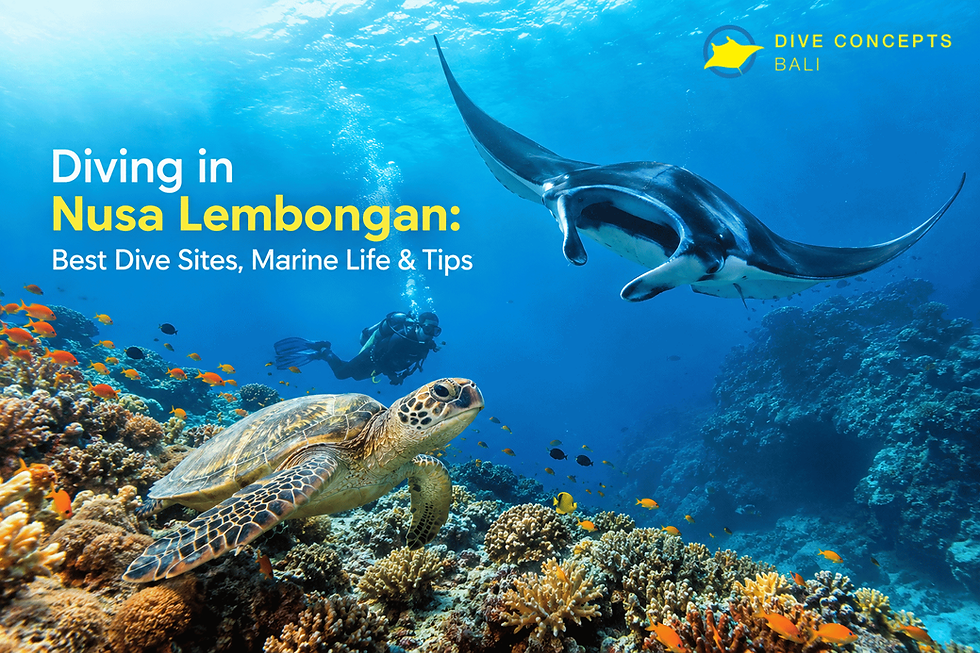
Manta Bay dives are shallower, low-current dives that last between 40 to 50 minutes, spent hovering or gently finning at the surface zone where the mantas feed. You’ll get to see plenty of mantas that pass by within a few meters and enjoy the company of reef fish and turtles dawdling about. There is also some beautiful soft coral around the edge of the cove.
As the mantas feed at the surface, divers don’t need to go deep to see them and it is perfect for beginning divers and underwater photographers who like working with natural light. Water clarity is decent, but can get worse during plankton season, which can be ironic, as that is what brings the mantas.
You may see other marine animals including coral gardens, reef sharks and plenty of fish.

Best Time to Dive Manta Bay
Expect the best diving conditions, calmest water and highest visibility to be in the Manta Bay dry season (April to October) with morning dives (7.00 am to 10.00 am) that increase your chances of good dives. The tidal current can bring plankton to the surface, which makes the mantas feed, so take advantage of the morning dives.
Unlike mola mola, which has a defined July-October season, reef manta rays are resident year-round in Nusa Penida, which makes for no “off season” as much as better/worse sea conditions. While surface conditions can be more unpredictable during the rainy season (December-March), less exposed sites (like Manta Bay) hold up better than sites which are fully exposed, like Bali Manta Point, during marginal weather conditions.
Seasonal snapshot:
Manta rays present: Year-round, no closed season
Best sea conditions: April-October (dry season)
Best time of day: Morning, 7:00-10:00 AM
Water temperature: 24-28°C typically, with occasional cooler upwellings
Rougher conditions: December-March
Do You Need a Certification to Dive Manta Bay?
Direct answer: Yes for a scuba dive at minimum a Discover Scuba Diving experience with an instructor, or an Open Water Diver certification for more independent diving. No certification is required to snorkel Manta Bay, since mantas often feed within a few meters of the surface.
Option | Certification Needed | Suitable For |
Snorkeling | None | All swimmers, families, non-divers |
Discover Scuba Diving (DSD) | None (guided 1:1 or 1:2) | First-time divers wanting an underwater encounter |
Fun dive (Open Water Diver+) | PADI/SSI Open Water Diver or higher | Certified divers |
Fun dive (Advanced) | Advanced Open Water recommended | Divers wanting deeper exploration or to pair with Bali Manta Point |
Because Manta Bay's shallow, sheltered profile is more forgiving than most Nusa Penida dive sites, it's one of the better entry points for divers early in their adventure scuba diving in Bali journey while still being interesting enough for experienced divers chasing manta encounters.
How to Get to Manta Bay
Direct answer: Manta Bay is reached by boat, typically as part of a Nusa Penida day trip departing from Sanur (around 30–45 minutes by fast boat to Nusa Penida, plus a local boat transfer) or directly from Toyapakeh Harbour if you're already based on Nusa Penida or Nusa Lembongan.
Most dive itineraries combine Manta Bay with one or two other Nusa Penida sites in the same day, commonly Crystal Bay or Bali Manta Point since they sit along the same stretch of coastline near Broken Beach and Angel's Billabong. Staying overnight on Nusa Penida or Nusa Lembongan cuts down travel time significantly compared to a single-day trip from mainland Bali.
Manta Bay Diving Costs
Approximate 2026 pricing for scuba diving in Nusa Penida with Dive Concepts (Nusa Lembongan center):
Product | Price (IDR) | Approx. EUR | Notes |
Discover Scuba Diving | Rp 1,575,000 | ~€80 | Includes 2 days / 1 night package |
1–4 Fun Dives (certified) | Package-dependent | — | Manta Bay typically included on Nusa Penida day routes |
Pack of 5 Fun Dives | Rp 2,750,000 | ~€140 | 2 days |
Pack of 7 Fun Dives | Rp 3,360,000 | ~€171 | Min. 3 days |
Snorkeling Trip (with manta rays) | Rp 1,785,000 | ~€91 | 2 days / 1 night |
Advanced Adventurer Course | Rp 4,850,000 | ~€247 | 2 days, useful for Bali Manta Point pairing |
Prices are indicative for 2026 and subject to change; confirm current rates directly with Dive Concepts.
Common Mistakes Divers Make at Manta Bay
Assuming mantas are guaranteed. They're resident, not scheduled; a good operator manages expectations honestly rather than overselling sighting odds.
Chasing the manta instead of holding position. Fast, direct approaches spook mantas; staying still and letting them approach produces better encounters and better photos.
Booking the cheapest snorkel-only boat and expecting a dive-quality experience. Manta Bay as a dive is a different, more controlled experience than a crowded multi-boat snorkel stop.
Ignoring the morning-timing advantage. Afternoon trips often mean lower feeding activity and more boat traffic.
Skipping Advanced Open Water before pairing with Bali Manta Point. Manta Bay itself is forgiving, but if your itinerary also includes the more exposed Manta Point site, extra experience helps.
Manta Etiquette: Diving Responsibly
Direct answer: Responsible manta diving means maintaining at least a 3–5 meter distance, never touching or chasing the animals, avoiding flash photography close to their eyes, and keeping fins clear of the substrate to protect the cleaning station and feeding zone.
Reef manta rays are slow-reproducing (typically one pup every two to three years), which makes site-level conservation behavior from divers and operators alike directly tied to the long-term health of the population that keeps Manta Bay worth visiting at all.
Expert Tips from Dive Concepts
Book a morning slot. Plankton concentration and manta feeding activity are typically strongest earlier in the day.
Pair Manta Bay with a second site. Combining it with Crystal Bay or Bali Manta Point in one day is efficient and gives you two very different encounter styles.
Stay overnight on Nusa Lembongan or Nusa Penida if you can. It removes the long Sanur transfer and opens up first-light dive slots.
Bring a wide-angle lens, not macro. Mantas are large, fast-moving subjects best captured with a wide field of view.
Trust the local call on which bay to dive. Conditions and manta activity shift between Manta Bay and Bali Manta Point day to day an experienced local team like Dive Concepts checks this each morning before finalizing the site.
Key Takeaways
Manta Bay is a genuine dive site, not just a snorkeling stop sheltered, shallow (5–13m), and calmer than most Nusa Penida sites.
It's a strong option for beginner and intermediate divers doing adventure scuba diving in Bali, thanks to its light current and accessible depth.
Mantas are resident year-round; there's no closed season, though dry season (April–October) and morning dives offer the best conditions.
No certification is required to snorkel, but scuba diving requires at minimum a Discover Scuba Diving experience.
Manta Bay and Bali Manta Point are complementary, not competing many operators, including Dive Concepts, pair both in a single Nusa Penida day trip.
Respecting manta etiquette (distance, no touching, no chasing) protects the very encounters that make the site special.
FAQ
What is Manta Bay?
Manta Bay is a sheltered dive and snorkel site on Nusa Penida's southwest coast, near Broken Beach, where reef manta rays feed close to the surface at depths of roughly 5–13 meters.
Is Manta Bay good for beginner divers?
Yes. Its shallow depth and sheltered cove make it one of the calmer, more accessible manta sites in the Nusa Penida/Lembongan area, suitable for newly certified divers and even Discover Scuba Diving participants with an instructor.
What's the difference between Manta Bay and Bali Manta Point?
Manta Bay is shallower and calmer, with mantas feeding near the surface, while Bali Manta Point features a deeper cleaning station with more current and swell. Many day trips combine both sites.
Do I need to be a certified diver to see mantas at Manta Bay?
No. You can snorkel Manta Bay without any certification, since mantas often feed within a few meters of the surface. Scuba diving requires at minimum a guided Discover Scuba Diving experience.
What's the best time to dive Manta Bay?
Morning dives, roughly 7:00–10:00 AM, during the dry season (April–October) generally offer the calmest seas and strongest feeding activity.
Are manta ray sightings guaranteed at Manta Bay?
No sighting is ever 100% guaranteed, since mantas move between Manta Bay and nearby Bali Manta Point depending on plankton and tide. However, mantas are resident year-round in the area, and sightings are common on most trips.
How do I get to Manta Bay?
By boat typically via a fast boat from Sanur to Nusa Penida (30–45 minutes) with a local boat transfer, or directly from Toyapakeh Harbour if based on Nusa Penida or Nusa Lembongan.
How much does it cost to dive Manta Bay?
With Dive Concepts, a Discover Scuba Diving package starts around Rp 1,575,000 (~€80), while certified fun-dive packages range from around Rp 2,750,000 for 5 dives to Rp 3,360,000 for 7 dives; exact Manta Bay-specific pricing depends on the day's itinerary.
Plan Your Manta Bay Dive with Dive Concepts
Dive Concepts has run guided dives across Nusa Penida and Nusa Lembongan since 2009, pairing local knowledge of daily conditions with PADI and SSI-certified instruction. Whether you're taking your first Discover Scuba Diving plunge at Manta Bay, working toward Open Water certification, or planning a full day pairing Manta Bay with Bali Manta Point or Crystal Bay, the team tailors the site and schedule to the day's conditions and your experience level the kind of adventure scuba diving in Bali that's built around real local expertise, not a fixed script.
Comments